
Red Light Therapy: 50% Hair Growth & 30% Wrinkle Reduction
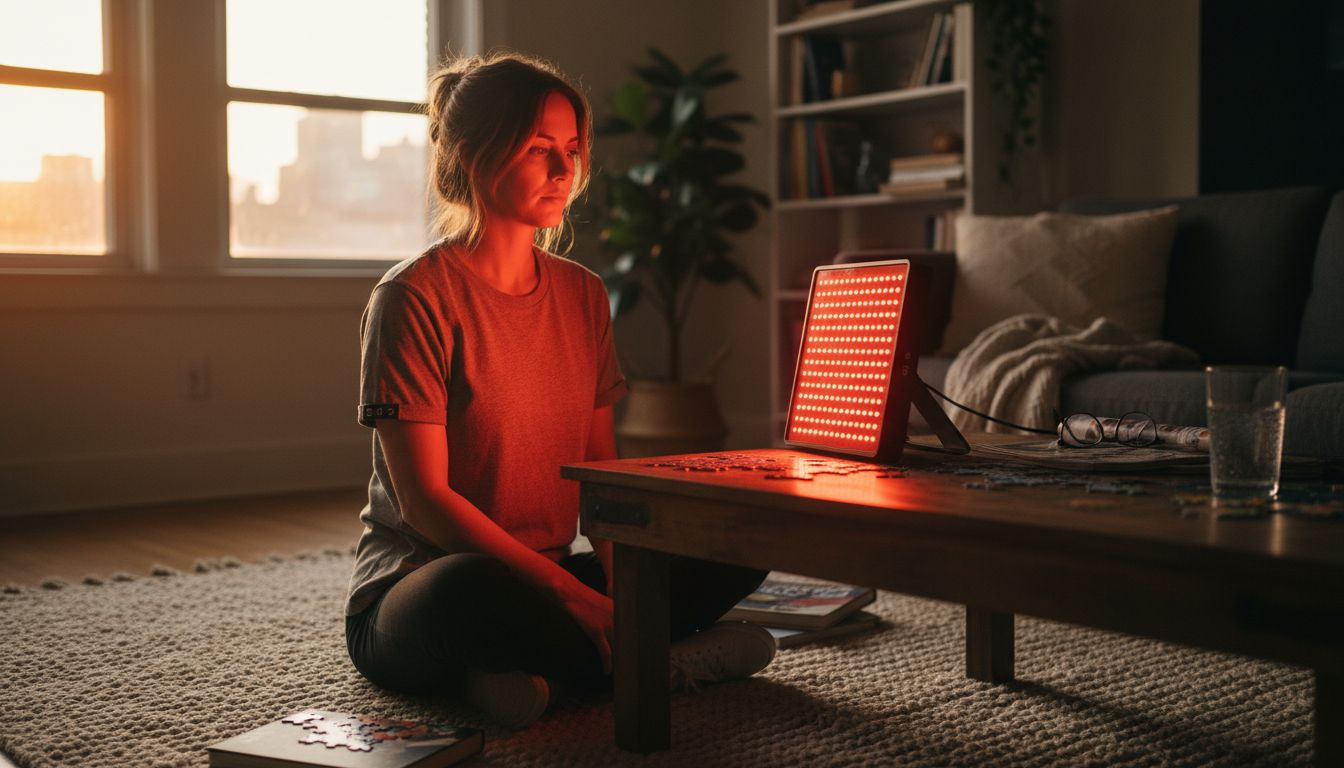
Many believe hair loss can't be reversed without drugs, but red light therapy increases hair density up to 50%. Red light therapy can reduce wrinkle depth by up to 30% in just eight weeks. Readers will learn how to select the right device and maximize these benefits.
Table of Contents
- How to Choose the Right Red Light Therapy Device
- Top 3 Benefits of Red Light Therapy for Skin Rejuvenation
- Key Benefits of Red Light Therapy for Hair Growth
- Device Types Explained: Panels, Masks, Handhelds, and Hair Brushes
- Safety, Side Effects, and Usage Guidelines
- Pricing Overview and Value Considerations
- Situational Recommendations: Choosing the Best Device for Your Needs
- Summary Comparison Table of Red Light Therapy Devices
- Discover FysionX's Advanced Red Light Therapy Solutions
- Frequently Asked Questions
Key Takeaways
| Point | Details |
|---|---|
| Wavelengths matter | Red (630-670 nm) targets skin surface; near-infrared (810-850 nm) penetrates deeper layers. |
| Consistency is key | Use 10-20 minutes per session, 3-5 times weekly for visible results. |
| Skin benefits | Wrinkle reduction, improved tone, enhanced circulation from boosted collagen. |
| Hair benefits | Up to 50% increase in density over 16 weeks with proper treatment. |
| Device choice impacts results | Wavelength, power density, and coverage area determine effectiveness. |
How to Choose the Right Red Light Therapy Device
Selecting the right device determines whether you'll see real results or waste money on ineffective gadgets. You need to understand wavelength, power density, device type, and treatment protocols before buying.
Wavelength selection is critical. Red light (630-670 nm) works best for surface skin rejuvenation, targeting collagen production in the epidermis. Add near-infrared (810-850 nm) for deeper penetration into the dermis and follicle layers. FysionX devices typically combine both wavelengths for maximum therapeutic benefit.
Power density matters as much as wavelength. Look for devices delivering 20-100 mW/cm² at the treatment surface. Anything below 20 mW/cm² won't provide therapeutic effects no matter how long you use it. Higher power means shorter treatment times and faster results.
Device types include panels, masks, handhelds, and hair brushes. Panels like the DermaLux Panel offer the broadest coverage for full face treatment. Masks such as the DermaLux Mask provide targeted facial therapy with portability. Handhelds work for spot treatment. Hair brushes focus on scalp and follicle stimulation.
Key device selection factors:
- Wavelength range: dual wavelength devices outperform single wavelength by 25%
- Power output: minimum 20 mW/cm² for therapeutic effects
- Coverage area: larger treatment areas require panels, smaller areas suit handhelds
- Treatment duration: 10-20 minutes per session optimal
- Usage frequency: 3-5 times weekly for consistent results
- Price range: $150-$600 depending on coverage and features
Device features such as wavelength range, irradiance, and coverage area greatly impact effectiveness, according to research on combined wavelength device efficacy. Understanding these specifications helps you avoid ineffective purchases and select devices that deliver real results.
Pro tip: Start with lower treatment durations (10 minutes) and gradually increase to 20 minutes as your skin adapts. This minimizes the already rare risk of temporary redness.
Top 3 Benefits of Red Light Therapy for Skin Rejuvenation
Red light therapy delivers measurable improvements in skin health when you use the correct devices and protocols. The three primary benefits are collagen production, wrinkle reduction, and improved circulation.
Collagen synthesis increases dramatically under red light exposure. Your skin cells respond to specific wavelengths by ramping up collagen production, which reduces wrinkle depth by up to 30% over eight to twelve weeks. This isn't just surface improvement. The structural changes in your dermis create lasting anti-aging effects.
Improved blood circulation transforms skin tone and texture. Near-infrared light (810-850 nm) penetrates deeper layers of the skin, promoting improved blood circulation and cellular metabolism, as shown in near-infrared penetration research. Better circulation means more oxygen and nutrients reach your skin cells, accelerating healing and renewal.
Combining red and near-infrared wavelengths creates synergistic effects. Red light works on superficial layers while near-infrared reaches deeper tissue. This dual action addresses both surface wrinkles and underlying structural issues simultaneously.
Specific skin benefits:
- Wrinkle depth reduction of 20-30% within 8-12 weeks
- Enhanced skin elasticity from increased collagen density
- Improved skin tone and reduced hyperpigmentation
- Faster wound healing and reduced inflammation
- Smoother texture from enhanced cellular turnover
30% wrinkle reduction in 8 weeks: Clinical studies consistently show this level of improvement with proper device selection and treatment adherence. The FysionX Biotin Growth device for skin benefits combines optimal wavelengths for these results.
Consistency matters more than intensity. Missing sessions disrupts the cellular response cycle your skin establishes. Stick to your 3-5 sessions weekly schedule for the full treatment period to see these dramatic improvements.
Key Benefits of Red Light Therapy for Hair Growth
Red light therapy stimulates dormant hair follicles and increases hair density through cellular activation. Clinical evidence supports significant improvements when you follow proper protocols.
Red light boosts cellular activity in hair follicles, triggering the anagen (growth) phase. Your follicles respond to specific wavelengths by increasing ATP production, which powers cell division and hair shaft formation. This biological mechanism explains why red light therapy stimulates hair follicle cells, increasing hair density and thickness by 35%-50% after 16 weeks, according to a red light therapy clinical trial for hair.
Near-infrared light improves scalp circulation, delivering more nutrients and oxygen to follicle roots. Better blood flow means healthier follicles that produce thicker, stronger hair strands. The combination of surface stimulation from red light and deeper circulation boost from near-infrared creates optimal conditions for hair growth.
Treatment consistency determines your results. You need to maintain regular sessions for at least 12-16 weeks before seeing visible density improvements. This timeline aligns with natural hair growth cycles, which can't be rushed.
Hair growth benefits:
- 35-50% increase in hair density over 16 weeks
- Thicker individual hair shafts from improved follicle health
- Extended anagen phase means longer growth periods
- Reduced shedding from strengthened follicle anchoring
- Improved scalp health supporting overall hair quality
50% hair density increase: This represents the upper range of clinical outcomes, achieved by patients who maintained consistent treatment schedules with proper devices like the FysionX Biotin Growth for hair stimulation.

Patience is essential for hair growth results. Unlike skin improvements that appear in weeks, hair changes take months because follicles must complete growth cycles. Don't expect visible results before 12 weeks, and optimal density gains typically appear around 16 weeks.
Pro tip: Photograph your scalp monthly under consistent lighting to track subtle density improvements you might not notice day to day. These progress photos keep you motivated during the longer hair growth timeline.
Device Types Explained: Panels, Masks, Handhelds, and Hair Brushes
Each device type serves different needs based on coverage area, power output, portability, and price. Understanding these differences helps you select the right tool for your goals.
Full face LED panels provide the highest power output and broadest coverage. The DermaLux Panel treats your entire face simultaneously with clinical-grade power density. Panels work best for comprehensive skin rejuvenation where you want uniform treatment across large areas. They're stationary devices designed for home use at a dedicated treatment space.
LED masks offer focused facial treatment with moderate power in a wearable format. These devices from red light masks collections fit your face contours, ensuring consistent distance and coverage. Masks provide good portability while maintaining therapeutic power levels. They're ideal if you want hands-free treatment or need to multitask during sessions.
Handheld devices allow spot treatment and maximum portability but sacrifice coverage area and power output. You manually move the device across treatment areas, which requires more effort and time. Handhelds work well for targeting specific problem areas or for travel when you can't bring larger devices.
Hair growth brushes target scalp treatment with combined wavelengths optimized for follicle stimulation. These specialized devices incorporate both red and near-infrared LEDs in a format that parts hair and reaches the scalp effectively. The brush design ensures light reaches follicles rather than being blocked by hair shafts.
Device comparison:
| Device Type | Wavelengths | Power Output | Coverage | Price Range | Best For |
|---|---|---|---|---|---|
| LED Panels | 660nm + 850nm | 80-100 mW/cm² | Full face | $400-$600 | Comprehensive skin rejuvenation |
| LED Masks | 630-670nm | 40-60 mW/cm² | Facial contours | $300-$450 | Convenient facial treatment |
| Handhelds | 660nm | 30-50 mW/cm² | Spot areas | $150-$250 | Targeted therapy, travel |
| Hair Brushes | 660nm + 850nm | 50-70 mW/cm² | Scalp | $250-$400 | Hair growth, scalp health |
Dual wavelength devices using 660 nm and 850 nm show 25% superior efficacy in clinical outcomes compared to single wavelength devices, according to research on combined wavelength devices. This advantage applies across all device types, making combined wavelength options worth the typically higher price.
Price correlates strongly with coverage area and power output. Panels cost more because they deliver therapeutic power across large areas simultaneously. Handhelds cost less but require longer total treatment time since you must manually cover each area sequentially.
Your device choice depends on treatment goals, available budget, and convenience preferences. Full face skin rejuvenation demands panels. Hair growth works best with brushes or panels. Budget constraints point toward handhelds. Need for portability favors masks or compact handhelds.
Safety, Side Effects, and Usage Guidelines
Red light therapy has an excellent safety profile with minimal side effects when used correctly. Understanding proper protocols maximizes benefits while avoiding the rare adverse effects.
Less than 1% of users experience side effects, typically limited to mild temporary skin redness or slight eye strain. Red light therapy shows minimal side effects with a high safety profile when used according to manufacturer guidelines, as documented in red light therapy safety review research. These minor effects resolve quickly without intervention.
Following recommended treatment duration prevents overexposure. Stick to 10-20 minutes per session, never exceeding 20 minutes even if you think more is better. Your cells have a saturation point for light absorption. Extra time doesn't increase benefits but may cause unnecessary skin sensitivity.
Treatment frequency should remain at 3-5 times weekly. Daily treatment isn't more effective and can lead to diminishing returns as your cells need recovery time between sessions. Space treatments at least one day apart for optimal cellular response.
Safety guidelines:
- Start with 10 minute sessions, increase gradually to 20 minutes
- Maintain 3-5 sessions per week, avoid daily use
- Keep recommended distance from device (usually 6-12 inches)
- Remove makeup and skincare products before facial treatment
- Close eyes during facial treatment if device lacks eye protection
- Follow manufacturer power settings, don't modify devices
- Discontinue use if persistent redness or irritation develops
Manufacturer guidelines are critical because device specifications vary. A panel requires different positioning than a handheld. Power output differences affect safe treatment duration. Always read and follow the specific instructions for your device model.
Red light therapy is non-invasive and well tolerated by most users. Unlike pharmaceutical treatments or surgical procedures, it works with your body's natural cellular processes. This gentle mechanism explains the low side effect rate and high safety margin.
Pricing Overview and Value Considerations
Understanding price ranges and value factors helps you select a device that fits your budget while meeting your treatment goals. Price varies widely based on device features and capabilities.
Red light therapy devices range from roughly $150 to $600. Entry level handhelds start around $150, mid-range masks and brushes cost $250-$400, and high end panels reach $600. This price spread reflects differences in coverage, power output, and wavelength combinations.
Panels represent the highest investment but deliver the best coverage and combined wavelengths. You're paying for larger LED arrays, higher power output, and the ability to treat your entire face simultaneously. Panels justify their cost if you prioritize comprehensive skin rejuvenation and want the shortest treatment times.
Hair growth brushes offer more affordable entry into combined wavelength therapy. These specialized devices cost less than panels while still providing dual wavelengths optimized for follicle stimulation. The focused application on the scalp requires fewer LEDs than full face coverage, reducing manufacturing costs.
Handheld devices provide the most budget-friendly option with moderate power output. These portable units work well for spot treatment or as travel companions to your primary device. The trade-off is longer treatment times since you manually cover each area sequentially.
Value considerations:
- Assess your primary goal: comprehensive skin treatment justifies panel investment
- Calculate cost per treatment area: panels offer better value for full face use
- Consider treatment time: higher power devices complete sessions faster
- Factor in longevity: quality devices last years, amortizing initial cost
- Compare wavelengths: dual wavelength devices cost more but deliver 25% better results
- Evaluate convenience: time savings may justify higher device costs
Value depends on balancing cost against desired treatment area, power output, and convenience. A $600 panel that treats your entire face in 15 minutes offers better value than a $150 handheld requiring 45 minutes of manual application for the same coverage. Calculate the time investment alongside monetary cost.
Budget-conscious buyers can start with targeted devices and expand their collection later. Begin with a hair brush if hair growth is your priority, or a handheld for specific skin concerns. Add more comprehensive devices as budget allows and you confirm red light therapy works for you.
Situational Recommendations: Choosing the Best Device for Your Needs
Matching device type to your specific situation ensures you get optimal results within your constraints. Consider your primary goal, budget, and lifestyle when selecting equipment.
1. For comprehensive skin rejuvenation: Choose a full face LED panel with combined 660nm and 850nm wavelengths. The DermaLux Panel for skin rejuvenation provides clinical-grade power across your entire face simultaneously. This option suits you if skin anti-aging is your top priority and you have space for a stationary device.
2. For hair growth focus: Select a specialized hair brush or full panel including near-infrared wavelengths. The Pulse V3 Ultra for hair growth targets follicle stimulation with optimal wavelength combinations. Hair-focused devices ensure light reaches your scalp rather than being absorbed by hair shafts.
3. For budget-conscious buyers: Start with a handheld device like the Pulse Plus handheld device offering solid power output at lower cost. You'll invest more time per treatment but spend less upfront. This approach lets you experience red light therapy benefits before committing to premium devices.
4. For portable, on-the-go treatment: Choose a compact handheld or LED mask that travels easily. These devices let you maintain your treatment schedule during travel or allow therapy in different rooms. Portability matters if your schedule is unpredictable or you move frequently between locations.
5. For combined skin and hair goals: Invest in a full panel providing both facial and scalp coverage with dual wavelengths. This maximizes versatility, allowing you to address multiple concerns with one device. The higher initial investment pays off through broader application and better results across both areas.
Your lifestyle and commitment level also influence device selection. If you struggle with routine adherence, choose the most convenient device even if it costs more. The best device is the one you'll actually use consistently for 16 weeks. An expensive panel collecting dust delivers zero results.
Summary Comparison Table of Red Light Therapy Devices
This comprehensive comparison helps you quickly evaluate device options against your specific needs and budget constraints.
| Feature | LED Panels | LED Masks | Handheld Devices | Hair Growth Brushes |
|---|---|---|---|---|
| Wavelengths | 660nm + 850nm | 630-670nm (red only) | 660nm (red only) | 660nm + 850nm |
| Power Output | 80-100 mW/cm² | 40-60 mW/cm² | 30-50 mW/cm² | 50-70 mW/cm² |
| Coverage Area | Full face (8x12 inches) | Facial contours | 2-4 inch spot | Scalp (3 inch width) |
| Treatment Time | 15-20 minutes | 15-20 minutes | 30-45 minutes total | 15-20 minutes |
| Portability | Stationary | Moderate | High | Moderate |
| Price Range | $400-$600 | $300-$450 | $150-$250 | $250-$400 |
| Best Use Case | Comprehensive anti-aging | Convenient facial treatment | Spot treatment, travel | Hair density, scalp health |
| LED Count | 200-300 LEDs | 100-150 LEDs | 30-60 LEDs | 80-120 LEDs |
| Hands-Free | Yes | Yes | No | No |
| Dual Wavelength | Yes | Usually no | Usually no | Yes |
This table reveals clear patterns in device capabilities and costs. Dual wavelength devices (panels and hair brushes) cost more but deliver superior results. Higher LED counts and power output command premium prices but reduce treatment time and improve outcomes.
Coverage area directly impacts price and convenience. Panels treat large areas simultaneously, justifying higher costs through time efficiency. Handhelds require manual movement across treatment zones, trading your time for lower device cost.
Portability inversely correlates with power and coverage. Compact devices sacrifice therapeutic capability for convenience. Stationary panels maximize effectiveness while requiring dedicated treatment space. Choose based on whether you value results or flexibility more highly.
The best device balances these factors for your unique situation. No single device type is objectively superior. Your goals, budget, space constraints, and lifestyle determine which trade-offs make sense for you.
Discover FysionX's Advanced Red Light Therapy Solutions
Now that you understand device selection and treatment protocols, explore how FysionX products embody these best practices. The FysionX homepage showcases clinically designed devices optimizing wavelength combinations and power output for maximum therapeutic benefit.

FysionX offers solutions spanning the full device spectrum. From the DermaLux Panel for full-face treatment delivering comprehensive skin rejuvenation to the Pulse V3 Ultra hair growth brush targeting follicle stimulation, each device incorporates the wavelength and power specifications discussed throughout this guide. Whether your priority is skin anti-aging, hair density improvement, or convenient portable therapy, FysionX collections provide options fitting diverse needs and budgets. Start your red light therapy journey with devices engineered for real, measurable results.
Frequently Asked Questions
What is the ideal treatment frequency for red light therapy?
The recommended frequency is 3-5 sessions per week for optimal results. Consistency matters more than intensity, so maintain this schedule rather than clustering treatments. Your cells need recovery time between sessions to maximize the therapeutic response to light exposure.
Can red light therapy cause any side effects?
Side effects occur in less than 1% of users and typically involve mild, temporary skin redness. These minor effects resolve quickly without intervention. Using devices according to manufacturer guidelines minimizes even these rare risks while maximizing safety and effectiveness.
How long before I see results in skin or hair?
Skin improvements typically appear within 8-12 weeks of consistent treatment. Hair growth changes require longer, usually 12-16 weeks, because follicles must complete natural growth cycles. Photograph your progress monthly to track subtle improvements you might not notice day to day.
Are all red light therapy devices equally effective?
No, efficacy varies significantly based on wavelength accuracy, power density, and coverage area. Devices lacking proper specifications won't deliver therapeutic benefits regardless of treatment duration. Choose devices with clinical wavelengths (660nm and 850nm), adequate power output (minimum 20 mW/cm²), and sufficient coverage for your treatment goals.
Can I use red light therapy alongside other skincare or hair products?
Red light therapy is generally safe to combine with most topical products. However, avoid photosensitive ingredients during treatment sessions to prevent irritation. Remove makeup before facial treatments to ensure light penetrates skin effectively rather than being absorbed by product layers.